



Designing Your Space: A Comprehensive Guide to Popular Interior Design Materials- Aluminium, PVC, Wood, and Glass

Interior design is not just about creating a visually pleasing space, but also about choosing materials that are functional, durable and align with your design aesthetic. In this comprehensive guide, we will take a closer look at four popular interior design materials - Aluminium, PVC, Wood, and Glass, and explore their pros and cons, and tips for incorporating them into your design.
1. Aluminium
Aluminium is a lightweight, durable, and rust-resistant metal that can be used in a variety of interior design applications. It is often used for window frames, door frames, and as a structural material in walls and ceilings. Aluminum is also a good conductor of heat, making it a popular choice for heating and cooling systems. Additionally, aluminium can be painted or anodized to match any desired color scheme.
When incorporating aluminium into your design, consider using it as a structural element, such as a window frame or door frame. To keep aluminium looking its best, be sure to clean it regularly and avoid using abrasive cleaning products.
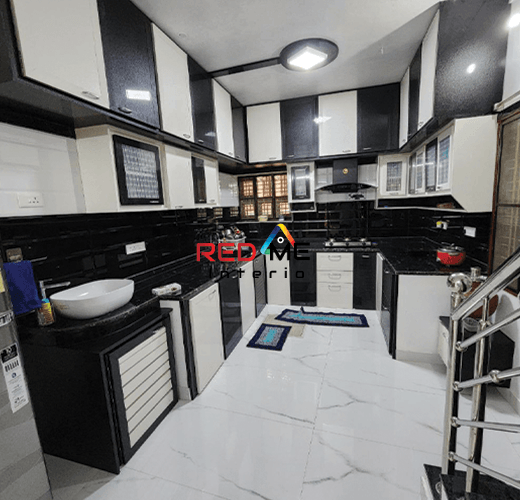
2. PVC [Polyvinyl Chloride]
Polyvinyl chloride is a synthetic plastic material that is also lightweight and durable. It is often used as an alternative to wood in interior design applications such as trim, molding, and flooring. PVC is also water-resistant and easy to clean, making it a popular choice for kitchens and bathrooms. Additionally, PVC is often more affordable than aluminium.
When incorporating PVC into your design, consider using it as an alternative to wood in areas that are prone to moisture, such as a bathroom or kitchen. To keep PVC looking its best, be sure to clean it regularly and avoid using abrasive cleaning products
3. Wood
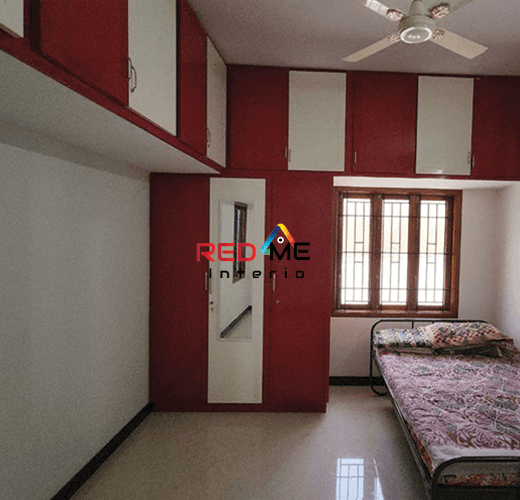
One of the most classic and versatile materials in interior design is wood. It's used for everything from flooring and furniture to cabinetry and trim. The natural warmth and beauty of wood is hard to replicate with other materials, and it's also durable and long-lasting. However, wood can be expensive and requires regular maintenance to keep it looking its best.
When incorporating wood into your design, consider using it as a focal point in a room, such as a reclaimed wood wall or a statement piece of furniture. To keep wood looking its best, be sure to clean it regularly and seal or finish it as needed.
4. Glass
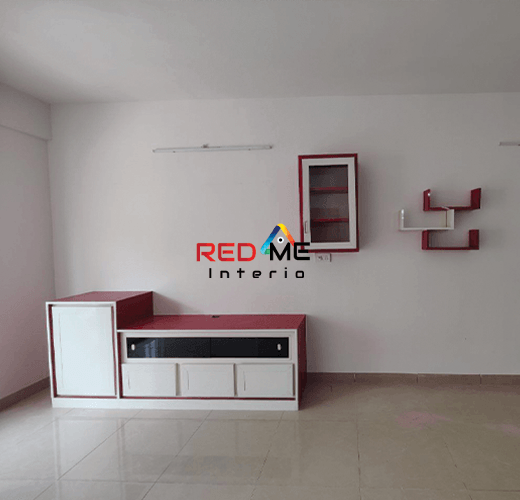
Glass is a modern and sleek material that can add a sense of openness to a space. It's often used for partitions, shower enclosures, and backsplashes. Glass is also easy to clean and maintain, but it can be fragile and expensive.
When incorporating glass into your design, consider using it as a way to add natural light to a space, such as a glass partition or a large skylight. To keep glass looking its best, be sure to clean it regularly and avoid using abrasive cleaning products.
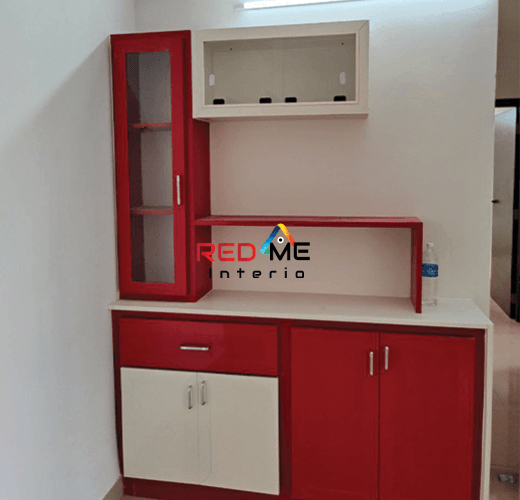
In conclusion, choosing the right materials for your interior design project is crucial for both aesthetics and functionality. Aluminium, PVC, Wood, and Glass are all popular materials that have their own unique properties and advantages. It's important to consider not only the aesthetic appeal but also the durability, maintenance, and cost of the materials when making your decision. With the right combination of materials, you can create a space that is not only beautiful but also functional and long-lasting.